


Aremu stresses need for govt, trade unions to sustain industrial policies for development
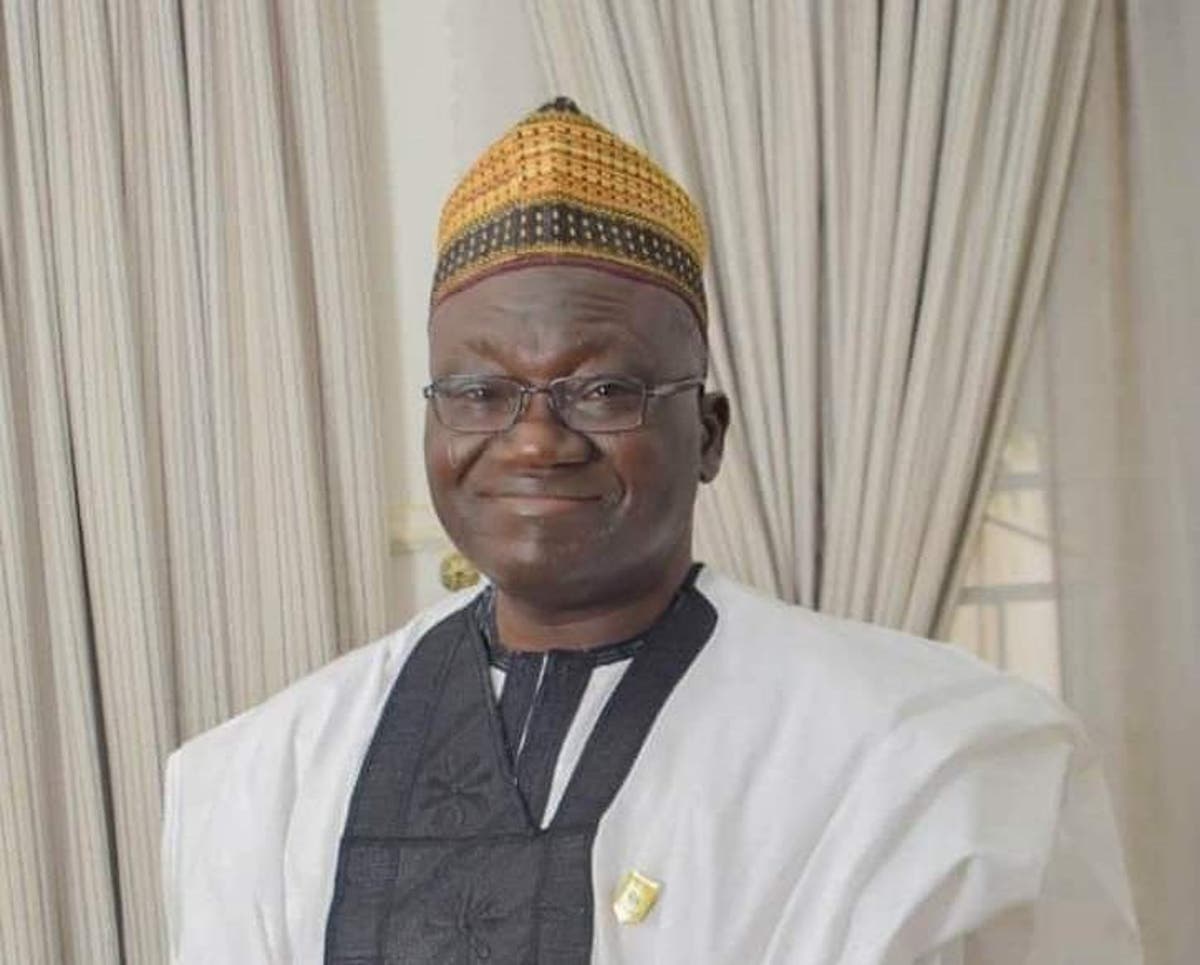
Issa Aremu, director general Micheal Imoudu National Institute for Labour Studies (MINILS), has stressed the need for trade unions and government officials to be educated about sustainable industrial policies for constructive advocacy and national development.
Aremu said this in a statement released in Ilorin to commemorate the 2023 Africa Industrialisation Day (AID).
He said: “As the world marks 2023 Africa Industrialization Day (AID), I call employers of labour, workers and trade unions as well as government officials to be informed through education about sustainable industrial policies for genuine constructive advocacy for national industrial development.”
Aremu, however, hailed President Bola Tinubu on his relentless commitment to drive investment for economic growth and decent mass employment.
He observed that industry has always played a vital role in development, adding that industry boosts economic activity along value chains, create jobs from raw materials processing to finished goods and services.
According to him, the United Nations (UN) General Assembly, in 1989, within the framework of the Second Industrial Development Decade for Africa (1991-2000) proclaimed 20 November annually Africa Industrialisation Day (AID) via resolution 44/237. The Day is intended to mobilise the commitment of the local international community to the Diversification and industrialization of African economies. The theme for this year's AID is “Accelerating Africa's industrialisation through the empowerment of African women in processing for an integrated market.”
The Director General noted that Industrialisation Day assumes special importance for the Institute mandated to promote labour education, because “only industry guarantees formal, secured, productive and paying jobs as distinct from precarious informal sector jobs” in line with SDG 9 dealing with Industry and innovation.
Aremu also commended Dangote Group, which despite the perceived difficulty of doing business in Nigeria, and across Africa, has moved from wholesale trading to become a multi- sectoral manufacturing giant, diversified and fully integrated conglomerate with an annual group turnover in excess of US$4billion.
“The much-awaited inaugurated world's largest single train Dangote Refinery Complex that has the capacity to refine 650,000 barrels of crude oil per day, shows that Nigeria like China can truly take a leap from misery of import dependence to joy of local production, exportation and mass job creation,” Aremu said.
Cloud Tag: What's trending
Click on a word/phrase to read more about it.
Ibrahim Gambari Babaita Alumni Association Of The Federal Polytechnic Offa Ibrahim Oloriegbe Revenue Court Nigeria Customs Service Olayinka Olaogun Federal Neuro-Psychiatric Hospital Abdul Jimoh Mohammed Vishvas KOZ Tractors Hamza Usman Abubakar Bature Sulu-Gambari Musa Alhassan Buge Oyeyemi Olasumbo Florence Akande Idowu Ayoola Muhammed Abubakar Atiku Abdulazeez Uthman Ahmed \'Lateef Abdulraheem Yusuf Elelu Basic Education Certificate Examination Lateef Fagbemi AbdulHamid Adi AGF Abdulrazaq Kehinde Baale Mary Arinde Salary Afonja Descendants Union Iyiola Oyedepo Olatunde Olukoya Najim Yaasin Baba Issa Awoye Dar-Al-Handasah Consultants Ltd High Court Forgo Battery Company Limited Air Peace Bolaji Abdullahi Zainab Abass Gurei Mohammed Yahaya Barki Halidu Danbaba Muhammad Akande Olarewaju Odunade Solomon Edojah Voices Of Tomorrow LEAH Charity Foundation Convocation Ceremonies Yakubu Mohammed Abdullahi Tosin Saraki Adamu B. Yaqubu Oluwole Dupe Yekeen Alabi Khairat Gwadabe Matthew Okedare Saraki Oba Abu Yusuf Amuda Gobir Akeem Olatunji Maimunat Oniyangi Obuh AIT Ilorin Funmilayo Zubair Edret Sabi Abel Bello John Olanrewaju Baruten Senior Special Assistant On Student Affairs Owo Isowo Academic Staff Union Of Universities Siddiq Adebayo Idowu Salawu Folaranmi Aro Dan Iya Of Ilorin BIR Alabere Abdulganiyu AbdulAzeez NIPOGA Bilikisu Oniyangi LABTOP Elerin Of Adanla