

EU to support flooded communities in Nigeria
This was disclosed in a statement signed by the spokesperson of the Union in Nigeria, Modestus Chukwulaka.
According to the statement, the current EU funding supports the Nigerian Red Cross Society in delivering much-needed relief to affected communities, and to promote best hygiene practices despite the emergency context.
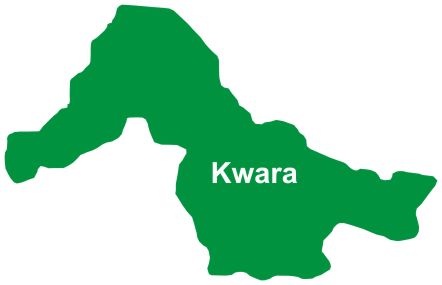
The assistance will be focused on helping vulnerable people affected by the floods in the states of Jigawa, Kebbi, Kwara, Sokoto and Zamfara.
"The funding is part of the EU's overall contribution to the Disaster Relief Emergency Fund (DREF) of the International Federation of Red Cross and Red Crescent Societies (IFRC),".
Recall that 150 people have died, and around 25,000 displaced as a result of the heavy rainfall in Nigeria that began in September.
"Some of the worst flooding occurred in early October, caused by the bursting banks of the Benue and Niger rivers. Affected communities have lost their homes, essential belongings, and cropland. Floodwaters are also exposing communities to the risk of waterborne diseases," the statement noted.
Background
The European Union and its Member States are the world's leading donor of humanitarian aid.
Relief assistance is an expression of European solidarity with people in need all around the world.
It aims to save lives, prevent and alleviate human suffering, and safeguard the integrity and human dignity of populations affected by natural disasters and man-made crises.
Through the European Commission's Civil Protection and Humanitarian Aid Operations department (ECHO), the European Union helps millions of victims of conflict and disasters every year.
With headquarters in Brussels and a global network of field offices, the European Union provides assistance to the most vulnerable people on the basis of humanitarian needs.
The European Union is signatory to a €3 million humanitarian delegation agreement with the International Federation of Red Cross and Red Crescent Societies (IFRC) to support the Federation's Disaster Relief Emergency Fund (DREF).
Funds from the DREF are mainly allocated to "small-scale" disasters – those that do not give rise to a formal international appeal.
The Disaster Relief Emergency Fund was established in 1985 and is supported by contributions from donors.
Each time a National Red Cross or Red Crescent Society needs immediate financial support to respond to a disaster, it can request funds from the DREF. For small-scale disasters, the IFRC allocates grants from the Fund, which can then be replenished by the donors. The delegation agreement between the IFRC and ECHO enables the latter to replenish the DREF for agreed operations (that fit within its humanitarian mandate) up to a total of €3 million.
Cloud Tag: What's trending
Click on a word/phrase to read more about it.
Olukotun Of Ikotun Ita-Nmo Market Laboratory-to-Product Abdulrasheed Na\'Allah Abdullahi AbdulMajeed Sobi FM Shao S.O. Opowoye Yaru Agbarigidoma Sobi Hill Dumagi Ayobola Ipinlaiye Shururat Olatinwo ARMTI Mahee Abdulkadir Diagnostic Centre Guber Aspirant Summit University Taofik Abdulkareem Babaita Saad Belgore Ekiti Olaiya Zuberu Saka Onimago Oniwa Salihu Jibril Garbi Oluwatoyin Lukman Logun Lotus Bank Owo Arugbo Labour Party Olawuyi UNIFEMGA Okiki Popo-Igbonna John Olobayo COVID Tope Daramola Forgo Battery Oju Ekun Sarumi Ilorin Descendants Progressive Union College Of Health Bola Shagaya Communication Network Support Services Kayode Ibrahim Ayeyemi Sulaiman Saadu Gbogbo Iwe Olaiya Victor Mobolaji Ali Ahmad Chikanda Hameed Oladipupo Ali Susan Modupe Oluwole Kwara State Coalition Of Business And Professional Associations Alabere Femi Oladiji Madawaki Sheikh Alimi Gbemi Saraki AbdulRazaq AbduMajeed Alaro Abdulmajeed Abdullahi New Nigeria People’s Party Rasaq Jimoh Aminat Omodara Aliyu Kora-Sabi Elese Of Igbaja Nigeria Governors\' Forum CACOVID Palliatives Ibrahim Gambari Tunji Folami Kwara State Football Association Okanlawon Musa National Democratic Congress Hassan A. Saliu Maryam Nurudeen Abubakar B.M Gobir Organization Foundation Olatunji Moronfoye