


OPINION: Need to prioritize safety of journalists in Kwara State By Dare Akogun
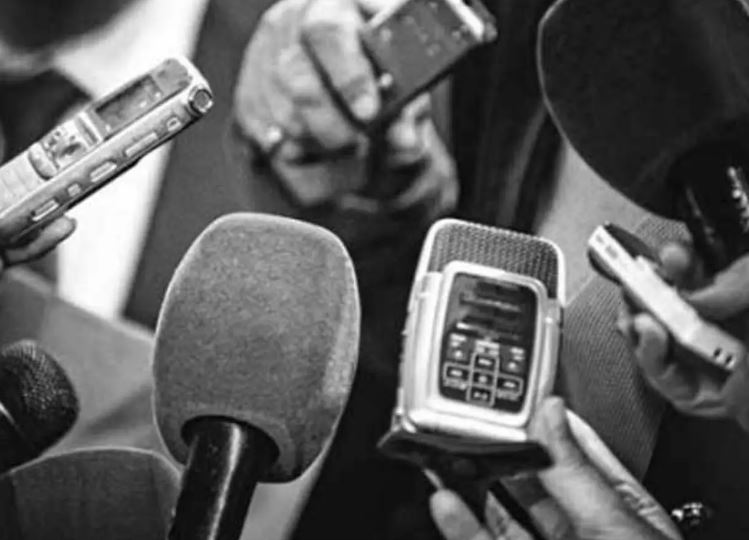
In today's world, where freedom of the press and that of expression are fundamental pillars of democracy, the safety and protection of journalists have become paramount.
Journalists play a vital role in bringing important news and information to the public, often exposing corruption, holding those in power accountable, and giving voice to the voiceless.
However, the increasing incidents of attacks, harassment, and even killings of journalists are of grave concern that cannot be ignored. As we observe the International Day to End Impunity for Crimes against Journalists, it is crucial to shed more light on the need to prioritize the safety of journalists in Kwara State, Nigeria.
Kwara State has a vibrant and active media ecosystem. Journalists in the state face numerous challenges, including threats, intimidation, physical attacks, and even incarceration. These acts of violence not only endanger the lives of journalists but also undermine the freedom of the press and hinder the dissemination of accurate, reliable, and unbiased information.
One of the major issues contributing to the vulnerability of journalists in Kwara State is the culture of impunity by security agencies. Perpetrators of crimes against journalists often go unpunished, thus sending a chilling message to the media community and creating an atmosphere of fear. This impunity not only perpetuates a cycle of violence but also erodes trust in the media and weakens democracy.
To address this pressing issue, the government of Kwara State must take immediate action to prioritize the safety of journalists and make them feel safe in the discharge of their constitutionally stipulated responsibility (see section 22 of the 1999 constitution). First and foremost, there is a need for the enactment and enforcement of laws that specifically protect journalists and guarantee their safety. These laws should not only criminalize attacks on journalists but also ensure that those responsible are swiftly brought to book.
Additionally, the government should collaborate with media organizations and civil society groups to develop comprehensive training programs on safety and security for journalists.
These programs should equip journalists with the necessary skills and knowledge to protect themselves while carrying out their work.
Furthermore, it is crucial to establish a dedicated mechanism, such as a special task force or an independent commission, to investigate crimes against journalists in Kwara State.
This mechanism should be empowered to conduct independent investigations, identify perpetrators, and ensure their prosecution. It should also provide support and protection to journalists who have been victimized, including legal assistance, psychosocial support, and relocation if necessary.
In addition to government efforts, the Kwara Council of the Nigerian Union of Journalist have a significant role to play in promoting the safety of its members and other practicing journalists, both in traditional and online media
The union needs to prioritize the safety of its members by providing them with adequate training, and safety tips, and rising to the occasion whenever there are issues concerning harassment, intimidation, and incarceration of journalists rather than continue to maintain the lukewarm attitude of the past.
The union should also establish a robust internal mechanism to address complaints and incidents of harassment or attacks on journalists.
On this International Day to End Impunity for Crimes against Journalists, it is crucial to recognize that the safety of journalists is paramount for the functioning of a democratic society.
Kwara State, as an integral part of Nigeria, and the democratic world, must therefore, take proactive measures to protect journalists from threats and attacks. By prioritizing the safety of journalists through legal frameworks, training programs, and dedicated mechanisms, Kwara State can create an environment where journalists can carry out their work without let or hindrance, ultimately engendering a free and vibrant press that serves the public interest.
Dare Akogun, Chairman Sobi FM Chapel, Kwara Council, NUJ.
Cloud Tag: What's trending
Click on a word/phrase to read more about it.
Ademola Kiyesola Michael Imoudu National Institute For Labour Studies Bukola Ajikobi Abubakar Baba Sulaiman Ojo Isekuse Boko Haram Simeon Sayomi Onilorin Of Ilorin Onikijipa Moses Rahman Popoola Mahfouz Adedimeji Orisa Bridge Saliu Tunde Bello Kupchi Hosea Maxwell Harafat E. Mukadam Unilorin FM Ahmed Bayero Federal Road Maintenance Agency Ganmo Electricity Sub-Station Kpotum Mohammed Baba Suleiman Abubakar Abdulrasaq Alaro Joseph Offorjama Abraham Ojo Sunday Popo-Ola Saka Balikis Kehinde AbdulRasaq Abdulmajeed Alaro Abdulsalam A. Yusuf Kamaldeen Kehinde Kwara Central Musa Alhassan Buge Zulkifli Ibraheem Kwara State Polytechnic Ilota Ibrahim Taiwo Oba-Solagberu Owo Isowo Yunus Oniboki Alore Oba Of Jebba Convocation Ceremonies Oke-opin Gbajabiamila Egbejila Halidu Danbaba Abdulquawiy Olododo Babaloja-General Jalala Abdulahi Abubakar Bata Amos Justus Sayo Salihu S. Yaru Facemasks Lai Mohammed ASUU Sunset Workers Congress For National Consensus Galland Marcias Ilorin.Info Patience Jonathan Allocation Emmanuel Bello Alabe Borgu Maryam Nurudeen Olatunji Abdulmumeen Folajimi Aleshinloye Adaramaja Adebara MalHub Kwara Polytechnic Afolayan Hydro-electric Power Producing Areas Development Commission Maja Apado Yahaya Jibril Usman Ibrahim Abdullahi Temitope Ogunbanke