


Saraki Welcomes FG Directive on Purchase of Locally Assembled Vehicles
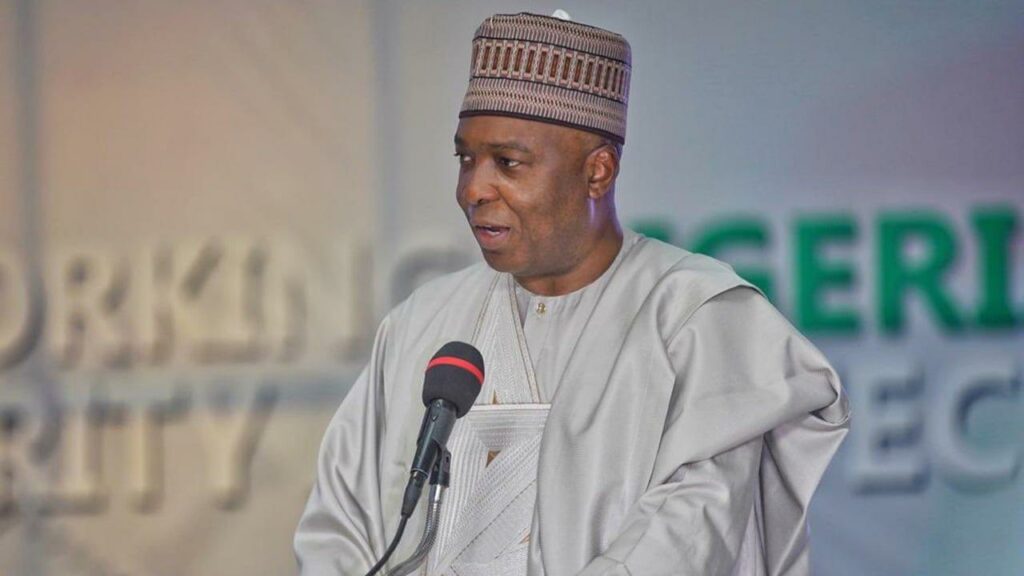
Former Senate President Bukola Saraki has welcomed the Federal Government's directive requiring ministries, departments and agencies (MDAs) to purchase vehicles from licensed local assemblers, describing the policy as an opportunity to promote domestic production, create jobs and reduce pressure on foreign exchange.
Saraki said the directive reflected the principle that government spending should stimulate the Nigerian economy by supporting local manufacturers and encouraging investment in domestic industries.
In a statement shared on his X account, the former Kwara State governor recalled that the 8th Senate passed a bill in June 2016 seeking to amend the Public Procurement Act to make preference for Nigerian-made goods mandatory.
He said the proposed amendment centred on Section 34 of the Act, with the replacement of the word "may" with "shall" to strengthen the obligation to prioritise locally produced goods in public procurement.
"At the heart of that effort was a simple but significant change in Section 34: replacing 'may' with 'shall'," Saraki said.
He argued that prioritising locally assembled vehicles and other Nigerian-made products could help sustain existing jobs, create new employment opportunities and give manufacturers the confidence to expand their operations.
According to him, increased government patronage of locally produced goods could also reduce demand for imported products and ease pressure on the country's foreign exchange market.
"When we buy what we produce, we support jobs, reduce pressure on foreign exchange, and give manufacturers the confidence to invest, expand, and employ more people," he said.
Saraki urged the government to ensure consistent implementation of the directive, stressing that its benefits would depend on whether public institutions translated the policy into sustained procurement practices.
He also called for the underlying principle to be embraced across all arms of government, arguing that public expenditure should contribute to domestic economic growth rather than simply meet the purchasing needs of government agencies.
Cloud Tag: What's trending
Click on a word/phrase to read more about it.
Basit Olatunji Okanlawon Taiwo Muhammad Ghali Alaaya Halimah Perogi Al-Ilory Hamidat Sulyman-Yusuf Sunday Otokiti Muhammed Danjuma Olawuyi Oba Of Jebba Segun Abifarin Abdulrauf Yusuf Code Of Conduct Bureau Folaranmi Aro Al-Hikmah Radio Alabe Government House Oloyede Osi Al-Hikmah University Wasiu Onidugbe Countryside Emerging Leaders Fellowship Saheed Popoola Iqra Books Kanu Agabi Ubandawaki Abdulsalam A. Yusuf Abdulmumini Sanni Jawondo Yusuf Arowosaye Modibbo Kawu Niyi Osundare Kwara Hotel S.O. Opowoye Suleiman Abubakar Toyin Olayinka Tejidini Suleiman Ajadi Sarah Alade Suleiman Mora Omar Ajibola Saliu Ajia Abdulrasheed Lafia Garba Idris Ajia Junior Secondary School Certificate Examinations Public Holiday Sebastine Obasi Coalition Of Kwara North Groups Oloruntoyosi Thomas State Bureau Of Internal Revenue Yemi Osinbajo Aremu Odolaye Alaro Okasanmi Ajayi Timothy Olatunde Fadipe Wahab Abayawo Muhammed Akanbi Revenue Court Congress For National Consensus Volunteers Of Ilorin Community And The Emirate Chartered Institute Of Personnel Management Of Nigeria Micheal Imodu-Ganmo Road Kamaldeen Kehinde Nurudeen Muhammed MAI Akande Shaykh Luqman Jimoh Henry Makinwa Saudat Abdulbaqi Ahman Pategi Asa LGEA School Sam Okaula Babata Javed Khan Opolo Global Innovation Limited John Olobayo Shaaba Lafiagi David Oyedepo Akorede Yeketi Taiwo Joseph