


Shonga Farm: Zimbabwean Farmer Helps Cassava Drive
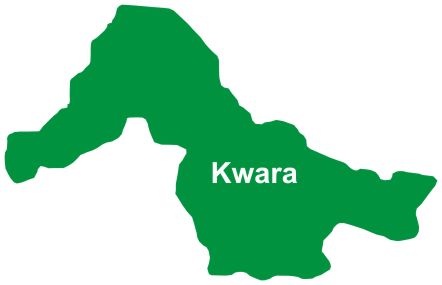
Graham Hatty, who was forced off his land in Zimbabwe a decade ago, is helping Nigeria in its drive to return to food self-sufficiency.
The cassava he grows in central Kwara state was on the first ship exporting the crop to China, in August. The government is trying to boost production of the starchy root, as well as of rice and sugar, to slash the $10 billion spent every year on food imports. President Goodluck Jonathan plans to increase food production by 20 million metric tons by 2015 by providing land, funding and lending via the central bank.
"The potential is tremendous," Hatty, 73, said from the balcony of his farmhouse in Shonga, which overlooks a lawn dividing his house from cassava fields near the bank of the Niger River. "There's huge demand for cassava flour, especially by biscuit makers."
Africa's biggest oil producer is trying to reverse a decline in the agriculture industry that has led to a 16-fold increase in wheat imports since 1970, when the country's oil boom began. Half of Nigeria's 160 million people live in rural areas and four-fifths of those are below the poverty line, according to the International Fund for Agricultural Development.
The country, which grew enough food to feed itself in the 1960s, is now the world's largest importer of rice and sub- Saharan Africa's biggest importer of wheat and sugar.
"We want to be the largest processor of cassava in the world and not export jobs to other countries that are exporting wheat to Nigeria," Akinwunmi Adesina, the country's agriculture minister told reporters in Abuja, the capital, in July. "Why do farmers in Arkansas, in Nebraska, love Nigeria? Because we keep buying wheat we don't produce."
Left Zimbabwe
Hatty and 12 other white Zimbabwean farmers moved to Nigeria in 2004 after his soybean, corn and wheat farm was seized by armed men as part of a government program of land expropriation. He was recruited to come to Nigeria by the Kwara state government, which sent delegations asking dispossessed farmers to emigrate. Zimbabwe, once Africa's second-biggest corn exporter, now imports its staple food.
While four of those who came with Hatty have left, the others run poultry and dairy operations, he said.
Nigeria is now taking further steps, including central bank funding for farmers, tax holidays for investors and regulation designed to favor local crops as it seeks to revive an industry that once exported peanuts, palm oil and cotton. The country is still the world's fourth-biggest cocoa exporter. Agriculture including subsistence farming accounts for more than 40 percent of gross domestic product, compared with 16 percent for oil.
Wheat Substitution
Flour millers in Africa's most populous country are now required to blend cassava into wheat flour. The current ratio of 20 percent is set to rise to 40 percent by 2015, according to a regulation passed in October last year.
Wheat imports will fall by 20 percent initially and by 40 percent once the set targets are reached, Olalekan Saliu, executive secretary of the Lagos-based Flour Milling Association of Nigeria, said in an interview on July 30. Association members include Flour Mills of Nigeria Plc (FLOURMIL), Dangote Flour Mills Plc (DANGFLOU) and Honeywell Flour Mills Ltd.
In the last crop year Nigeria produced just 100,000 tons of wheat, according to the U.S. Department of Agriculture. About 650 billion naira ($4.1 billion) of wheat was imported last year, most of it from the U.S., according to the Agriculture Ministry. Nigeria bought 3.25 million tons of U.S. wheat in the 2011-12 marketing year ended May 31, the USDA said.
Cassava Fund
A 65 percent levy on imports of wheat flour came into effect on July 1 in addition to the existing 35 percent import duty, Finance Minister Ngozi Okonjo-Iweala said in Abuja on July 11. The proceeds will be used to set up a cassava fund for further research to increase wheat substitution, she said.
The country also consumes about 5.4 million tons of rice a year, of which it produces 2.3 million tons, according to the agriculture minister. The government is seeking to end imports, mostly from India and Thailand, in three years by bringing more land under cultivation through incentives to farmers, President Jonathan said in August last year. Those imports cost 350 billion naira year.
The central bank has made available $800 million for loans, which will be used to set up rice mills across the country, Adesina told reporters in Abuja on March 1.
Still, the country has obstacles to remove if it is to foster an agricultural revival.
Aside from the initial funding provided to Hatty by the Kwara state government, he hasn't been able to secure credit from banks even though the central bank has pledged to make money available and is pushing commercial banks to do the same. That's hampered plans to introduce irrigation to grow cassava year-round and plant rice on his land by the river bank.
"Banks aren't interested in agriculture, and if they're not going to get interested, agriculture can't grow," he said. "We've been hearing for years that central bank money is coming, but it goes to these big companies; it doesn't come to us small guys."
Cloud Tag: What's trending
Click on a word/phrase to read more about it.
Onilorin Of Ilorin Taofik Abiodun Ahmed Salihu S. Yaru Durosinlohun Kawu Press Release Atiku Abubakar IEDPU Kayode Laro Bursary Kwara State Internal Revenue Service Code Of Conduct Tribunal Olufolake Abdulrazaq Sun Qing Rong N-Power Suraj Tunji Oyewale Garuba Alikinla Shittu IFK Oniyangi Kunle Sulaiman Saad Omo Iya Muhammed Danjuma Kulende-UITH Rashidi Yekini Bamidele Aluko Ilorin West Shehu Raheem Adaramaja Abdullah Janet Amudat Modupe Oluwole Kale Bayero Ita-Ore Raliat Islamic Foundation Lola Olabayo Mustapha AbdulGaniyu Timothy Olatunde Fadipe Imam Gambari RTEAN BECE Kawu Baraje Kulende Offa Poly Kunle Suleiman Afolasade Opeyemi Kemi Odolaye Aremu Ibrahim Oloriegbe Forgo Battery Federal Road Maintenance Agency Opobiyi Baba Idris Bola Tinubu Ibrahim Mohammed Baruba Abubakar Abdulraheem Idris Amosa Saidu Abdulkadir Bolakale Sakariyah Kolo Ayo Adeyemi Ebola Emir Of Ilorin Durosinlohun Atiku Kale Belgore Lateef Alagbonsi ASMAU PLAZA Alapado Mahe Abdulkadir Oladimeji Thompson Wasiu Onidugbe Segun Olawoyin Just Law Forum Opolo Global Innovation Limited Metro Park Osi Oniye T And K FOODS Laduba Hassan Taiye Salam Damilola Yusuf Bola Sagaya SDP