


ARMTI Lecture: Unemployment May Explode into Crisis, Obasanjo Warns
Ex-president, AU experts seek action on agric, manufacturing
Unless the high rate of youth unemployment in the country is urgently checked, it may soon trigger a serious crisis in the polity, according to former President Olusegun Obasanjo.
Describing the country as sitting on “a keg of gun-powder” over unemployment, Obasanjo said that there was the need to develop commercial agriculture to check the crisis of joblessness.
Also Thursday, experts from critical arms of African Union Commission (AUC), United Nations Economic Commission for Africa (ECA) and their developing partners dissected the state of industrialisation in Africa and other emerging economies.
They suggested that it was only through critical investment in manufacturing that unemployment, unequalled growth and poverty could be tackled and the key objectives of Millennium Development Goals (MDGs) achieved.
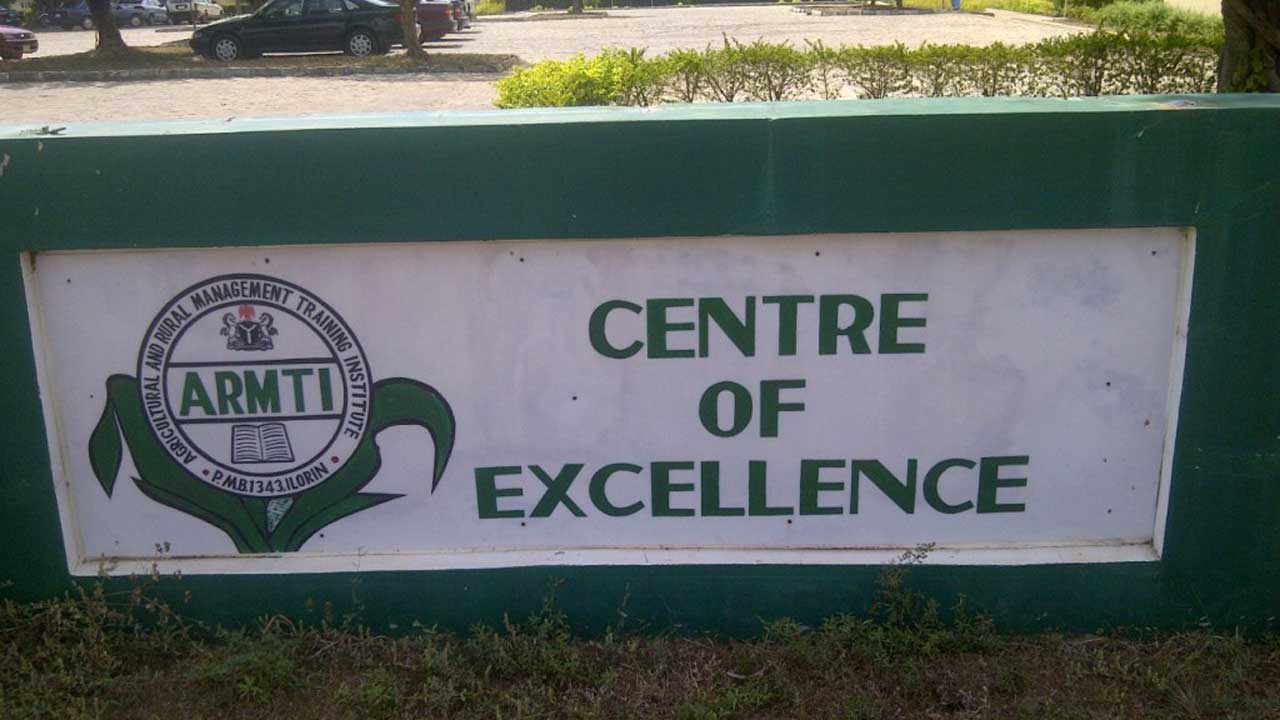
Delivering the yearly lecture of the Agricultural and Rural Management Training Institute (ARMTI) in Ilorin, Obasanjo lamented how the little gains his administration made in 1979 were almost eroded due to bad policies on agriculture until his return to power in 1999.
He said: “We are sitting on the keg of gun-powder in this country due to the problems of unemployment of our youths. We have almost 150 universities now in the country turning out these young Nigerians but without job opportunities for them. ARMTI has a bigger role to play here. We are not saying agriculture will make you a billionaire, in fact if you want to be one, don’t go into agric. Nevertheless, if we practise agriculture well, it will make you comfortable.”
Obasanjo recalled that he had to enrol at Moore Plantation Ibadan after relinquishing powers to a democratically-elected government in 1979 to learn modern techniques in agriculture before venturing into large-scale farming.
He added: “For sometime after 1979 when almost all gains in agriculture progress in Nigeria seemed to have been destroyed through indiscriminate importation and dumping into Nigeria, I was skeptical if we could ever make it in the area of agriculture.
“But the progress we made between 2003 and 2007 when Nigeria grew its agricultural production by an average of seven per cent per annum enhanced my optimism and enthusiasm. For instance, cocoa production increased from 150,000 metric tonnes to 400,000 metric tonnes; cassava production from 30 million metric tonnes to 50 million metric tonnes.”
Obasanjo who spoke on the topic “Managing Agriculture as a Business: A Practitioner’s Perspective,” said: “We started being self-sufficient again in vegetable oil and increased our production of rice, maize and sorghum substantially. Then the successor administration put things in reverse gear. A start-stop policy does not help agribusiness. It is heartening that the present administration has put the gear back to forward movement in a number of essential commodities. For agribusiness to be embraced and upheld, a consistent and predictable policy is needed from government, in addition to clear support in all areas of the value chain.”
Obasanjo who delivered the first yearly lecture of the ARMTI 30 years ago, warned that Nigerian farmers and other stakeholders in the agribusiness should stop seeing agriculture as a peasant venture requiring no management, a development undertaken on a part-time basis requiring little or no business management skills.
Alluding to the biblical story on the Garden of Eden and its management, he said that God planted a beautiful garden for Adam and Eve but due to bad management policies of the couple, they messed up the business.
He said: “In less than four decades from now, world population is expected to grow to over nine billion, significantly increasing the demand for food and other agricultural products. Some projections show that global food production will need to jump by 70 per cent to feed a population of nine billion in 2050.
“The World Economic Forum recognises that in order to achieve this, the world will need a new vision for agriculture - delivering food security, environmental sustainability and economic opportunity through agriculture.”
Minister of Agriculture, Dr. Akinwumi Adesina, described Obasanjo as a visionary who practised what he preached in the field of agriculture. He added: “We have oil in commercial quantities but nobody drinks oil. Obasanjo added glamour to agric sector and the government of Goodluck Jonathan took it up from there.
“He made agric a commercial venture and placed the nation on a good pedestal in the global market especially in the area of cassava. We are the largest producer of cassava today in the world. We used to spend N654 billion every year importing wheat flour. But today, we save N254 billion by using cassava flour.”
According to the AUC experts who spoke on Wednesday at a capacity-building workshop for journalists attending the ongoing yearly meetings of the AU Conference of Ministers of Economy and Finance and ECA Conference of African Ministers of Finance, Planning and Economic Development in Abidjan, Cote d’Ivoire, the continent cannot continue to depend on mere agriculture, exporting raw materials and commodities for the end use of industries in Western and Asian economies in the face of socio-political problems confronting the continent, especially the youth.
They said that emerging global innovation and development were tied to the industrial sector hence, African countries like Nigeria and others would be relegated to the background without the required leadership creating the right tone, image, strategic policies, investment in the industrial and energy sectors.
The experts included Director of Micro-economic Division of UNECA, Emmanuel Nnadozie; Director of Economic Affairs, AUC, Prof. Renee Kouassi; Regional Adviser and officer-in-charge, Information and Communication Services (ICS), UNECA, Yinka Adeyemi; Director of Information and Communication, AU, Mrs. Habiba Mejri-Cheikh; Jay Gribble and Deborah Mesce of Population Research Bureau (PRB); publishers and communication experts, Jenerali Ulmwengu and Tunde Fagbenle and others.
Setting the tone of the conference entitled “Industrialisation For An Emerging Africa” which officially kicked off yesterday, Nnadozie observed that the continent was doing well on economic growth judging from available indices of economic reports.
But he added that researches also indicated that “the continent can do better in the face of youth unemployment, massive poverty and maternal mortality, among others.”
He said that if care was not taken, the continent would be facing serious economic, socio-political problems as a result of youth unemployment.
He called for private sector engagement through massive investment in manufacturing, adding of values to available raw materials, devising strategies to maximising foreign and local investments and minimising damage to the environment.
Cloud Tag: What's trending
Click on a word/phrase to read more about it.
AGM Professional Services Buari Edun Michael Nzekwe Alaiye Babatunde Idiagbon Sunset Workers Samuel Adaramola Oniyangi Wasiu Onidugbe Prince Bola Ajibola Wole Oke Kwara United Yusuf AbdulRasheed Afonja Medinat Folorunsho Salman Musa Abdullahi Rabiu Kwankwaso Olosi Of Osi Amusa Bello Abdullateef Abdussalam Vasolar Consultoria Kwara-SAPZ Project Oke-Ode Yahya Mohammed AbdulRazaq Jiddah Erubu Oba Zubair Muhammad Fawaz Abubakar AbdulQowiy Olododo David Adesina Segun Ogunsola Nigeria Computer Society Saliu Mustapha NIRSAL Bayer Nigeria Limited Abraham Ojo Maryam A. Garuba Kwara State Branch Of The National Library Dumagi Oke-Odo Abdulsalam A. Yusuf Sunday Popo-Ola Olabimpe Olani Baba Adini Of Kwara State Oyeyemi Olasumbo Florence Oyelere Oyinloye Muyiwa Oladipo Kanu Ademola Kiyesola Kwara State Governor KWAFFA Galadima Ilesha-Baruba Osuwa Issa Baba HAMFAT Clinic And Maternity Khadijat Ayoola Yusuf Dorcas Afeniforo Kwara State Pension Board Shonga Farm Project Moshood Bakare Matthew Babaoye Ilorin Talaka Parapo National Party Of Nigeria Olatunji Abdulmumeen Mohammed Tunde-Jimoh Wahab Isa Ahman Pategi Olomu Jimba Babatunde High Court Student Learning Support Helpline Alabi Olayemi Abdulrazak Adebayo Salami Olanrewju Okanlawon Musa Sola Saraki University Abdulrazaq Sanni Bashir Badawi Sola Saraki Educational Foundation