


Women writers have a bright future in Nigeria -Akande
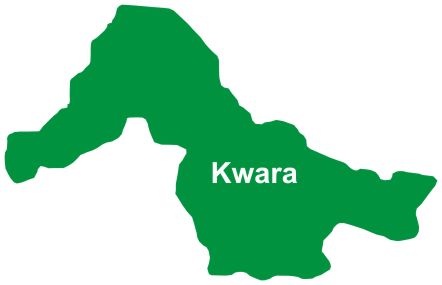
In Our Place, the debut full-length novel by author and lecturer, Dr. Lola Akande is woven with plots and intrigues that connect with everyone’s day-to-day experiences, especially for Nigerians who venture outside their home states in search of greener pastures. A consultant for the Advertising Practitioners’ Council of Nigeria, APCON, Akande holds a PhD in English Literature from the University of Ibadan, Oyo State. The Kwara State indigene also divides her writing skills across academic materials, short stories and biographies. In this interview with KAYODE KETEFE, Asst Head, Judiciary Desk of The National Mirror, Akande talks about her passion for writing and the value of a female perspective in storytelling.
What motivates you to write?
I have always loved writing and I used to enjoy writing letters as a child; but as an adult, my interest in writing grew as a result of the experiences of people around me, including myself, and the need to share these experiences. I’m also inspired by a writer friend, Odia Ofeimun, whose literary work I greatly admire and respect and who has been my mentor for about a decade. In addition, my desire to be productive has been a major force behind my motivation to write. Apart from my fascination for, and interest in writing, my studying Literature has also greatly helped me in becoming a writer.
What particularly motivated you to write In Our Place?
We tend to waste a lot of energy on ethnicity, regionalism and citizenship and we hardly pay attention to more serious national issues, especially issues that if given adequate attention, could transform our country. I also observe the seeming indeterminate political status of Kwara State among other states of the federation and I think Kwara State can be used to represent the confusion we throw ourselves in while trying to ascribe too much importance to ethnic or regional considerations. The fact that Anjola, the major character in the novel, is unable to achieve her life’s goals due to the misconceptions that surrounds her ancestry goes a long way to explain the needlessness of the attention we give to ethnicity.
What is the novel’s central theme?
The novel is about the way we live as a people and how our collective values can be used to explain why we are the way we are. Does the novel project your personal experience? In a lot of ways, yes.
Why is the cover designed like a child’s book?
I do not know why Macmillan chose to design it that way. I imagine they have a reason, but I have not been told.
How did you come into writing?
I started writing opinion articles for newspapers immediately after my national service in 1987 and by the time I started working, first as a freelance journalist, and later as a news reporter, writing had become a part of me. Even when I left journalism for the public service a few years later, I didn’t stop writing articles. My first article,"The Ordeal of a Job Seeker", was published by The Punch in 1987. In December 2006, I wrote"When Caring was a Burden," which was published by ThisDay and The Nation newspapers after which I decided to concentrate on working on my PhD Thesis. However, I started writing short stories while waiting to defend my PhD Thesis. I wrote a volume of short stories before going on to write a novel.
Do you believe women writers have a future in Nigeria?
Yes, I do. Women writers have a very bright future in Nigeria because they have the same capacity that male writers have in terms of education, skill, knowledge, a wealth of experience and indeed all it takes to write good books. More importantly, I would be surprised if anyone is still in doubt about the relevance and importance of the female perspective in telling our stories as a people.
Who do you see as a role model among Nigerian writers?
I greatly admire Chinua Achebe’s fiction. I admire him for his simplicity of language, skill and sophistication all brilliantly combined in a way that makes me marvel.
Cloud Tag: What's trending
Click on a word/phrase to read more about it.
Muhammed Taofeeq Abdulrazaq Oni Adebayo Rafiu Ibrahim Mukhtar Shagaya Monkey Pox Abdulbaqi Jimoh Sarkin Malamai Aisha Abodunrin Ibrahim Yakub Lai Gobir Adedeji Onimago KWSIEC Yashikira Paul Odama Kayode Alabi Bamidele Aluko Unilorin Ilesha-Baruba-Gwanara Overland Taiwo Joseph Abdulrahman Iliasu Danladi Islamic Development Bank Tayo Alao Saliu Ajibola Ajia Tricycle Owners Association Of Nigeria Toun Okewale-Sonaiya Issa Baba Oniyangi Alaro Ahmed Aremu Odolaye Mansurat Amuda-Kannike Funmilayo Zubair Mohammed Jimoh Faworaja Idiagbon Kale Kawu Alfa Modibo Belgore CKNG Ilorin Emirate Stakeholders Forum Iponrin Amuda Aluko 20 Billion Bond RTEAN Mamman Saba Jibril Ayinde Oki Kisira Olateju Lukman Ilorin South Constituency Raji AbdulRasaq Belgore Local Government Pension Board Razaq Ayobami Akanbi Abegunde Goke Makama Of Kaiama Ajike People Support Centre IHS Federal Polytechnic Offa Wole Oke Chief Imam Of Ilorin Shehu Alimi Foundation For Peace And Development Mahmud Durosinlohun Atiku Ajia-Bako Saheed Popoola Oye Tinuoye Kazeem Oladepo Abdulrahman Abdullahi Kayode Rashidi Yekini LABTOP Yakubu Shaaba Ubandawaki A.G.F Abdulrasaq Dapo Teni Nig Enterprise Elections Olupako Kwara Muslim Pilgrims Welfare Board Hijaab Yahaya Muhammad